
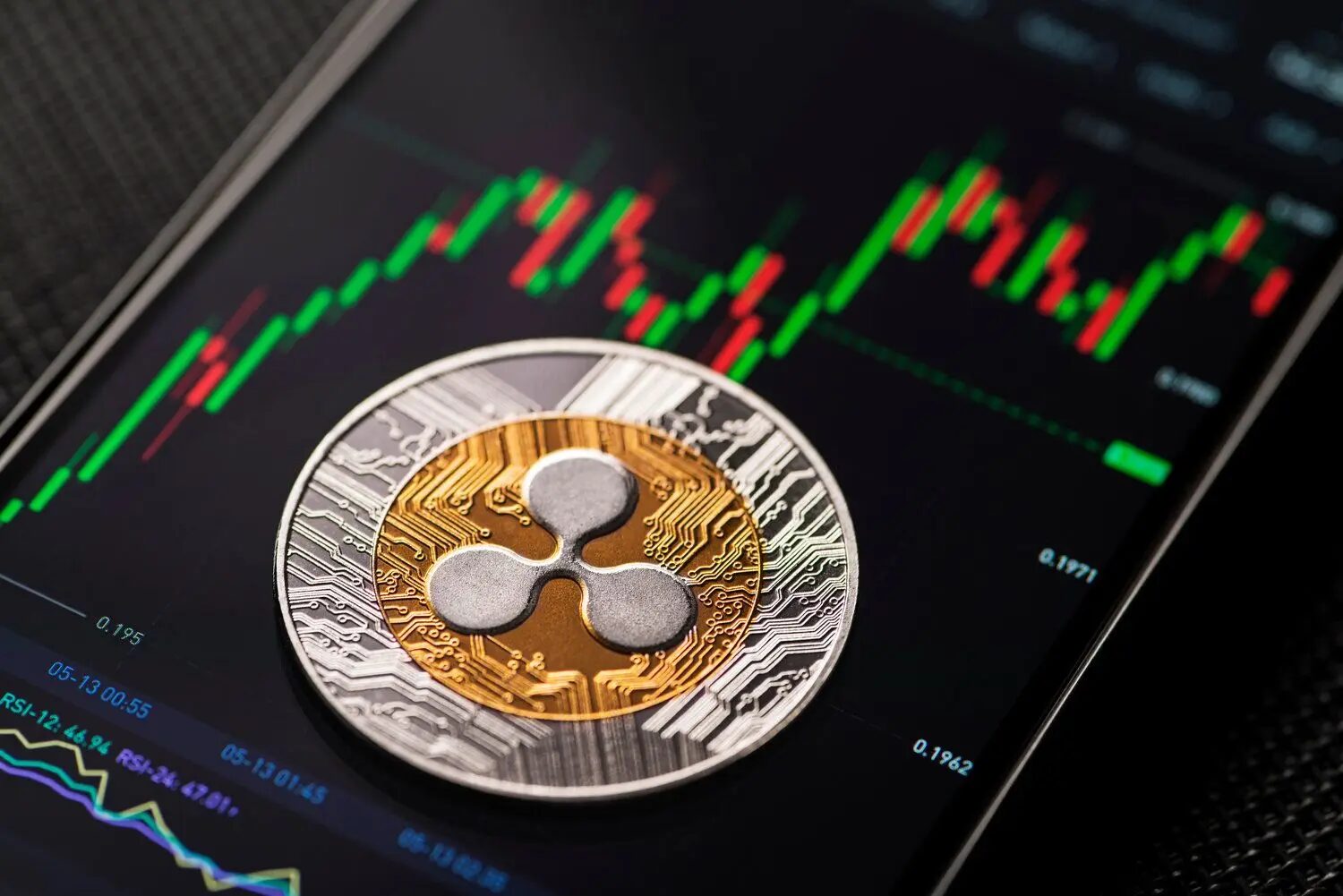
Ripple’s long legal battle with the SEC is firmly in the rearview mirror. But with XRP still down more than 60% from its peak, the path forward is more complicated than the headlines suggest.
For years, a single regulatory cloud hung over XRP more heavily than almost any other digital asset. That cloud has now officially lifted — and yet the token’s price tells a more ambiguous story than many investors expected.
On March 17, the U.S. Securities and Exchange Commission formally recognized XRP as a digital commodity, drawing a clear regulatory line between it and financial securities like stocks and bonds. For Ripple, the company behind both the XRP token and the Ripple Payments network, it is the culmination of a legal saga that began in 2020 and suppressed the token’s price for the better part of five years.
How Ripple Works — and Why the SEC Came Knocking
Ripple Payments exists to solve a genuinely costly problem in global finance. International bank transfers are slow, expensive, and fragmented — partly because not all banks participate in networks like SWIFT, forcing many to route payments through intermediaries that add both time and fees to every transaction.
Ripple sits on top of existing banking infrastructure, allowing participating institutions to settle cross-border transactions directly and near-instantly. XRP was created to serve as the standardized bridge currency for those transfers — a French bank, for example, could send XRP to a Japanese bank rather than converting euros to yen, sidestepping foreign exchange fees. Individual XRP transactions can cost a fraction of a U.S. cent.
The problem, from a regulatory standpoint, was that unlike Bitcoin — which is obtained through decentralized mining and not issued by any single company — XRP is issued by Ripple directly to institutions. The SEC argued this structure made XRP a financial security, subject to the same compliance framework as stocks and bonds. Had that classification held, it would have placed a significant burden on Ripple’s core business model and potentially restricted the company from issuing XRP at all.
The lawsuit weighed on XRP’s price from the moment it was filed. The resolution came in August 2025, when the SEC agreed to drop the case and all outstanding appeals — part of the Trump administration’s broader pro-innovation approach to crypto regulation. The token surged to a record high in the aftermath. The March 17 commodity designation formalized that outcome.
The Rally That Didn’t Happen — and Why
Here is where the story gets more nuanced. Despite the SEC’s official commodity recognition, XRP barely moved on the news. The token is currently trading around 60% below its post-settlement peak, declining alongside the broader crypto market selloff.
Part of that muted reaction is straightforward: the regulatory outcome had been widely anticipated, so much of the positive news had already been priced in. But there are also structural questions about XRP’s long-term value proposition that the regulatory win does nothing to resolve.
The first is that banks using Ripple Payments are not required to use XRP. The network also supports fiat currency transfers, and Ripple itself launched a stablecoin — Ripple USD (RLUSD) — in 2024. Stablecoins, by design, carry virtually no price volatility, making them better suited to the practical needs of institutional payments than a cryptocurrency whose value can swing dramatically. If Ripple Payments achieves widespread adoption, there is no guarantee that adoption translates into XRP demand.
The second issue is structural to how bridge currencies work. When a French bank sends XRP to a Japanese bank, the sending institution is a buyer — but the receiving institution becomes an equal seller the moment it converts XRP back into yen for domestic use. The transaction is, in net terms, value-neutral for XRP’s price. This dynamic makes the token’s long-term price trajectory heavily dependent on speculative demand rather than fundamental utility.
Is XRP a Long-Term Investment Case?
The regulatory overhang that made XRP uniquely risky for five years is gone. That is a genuinely meaningful development, and it removes a tail risk that had no clean resolution for a long time.
But the removal of a risk is different from the creation of a catalyst. XRP’s ability to recover its previous highs — let alone exceed them — will depend on factors that the SEC’s commodity designation does not address: the rate of Ripple Payments adoption, the degree to which institutions choose XRP over fiat or stablecoins, and the broader direction of speculative appetite in crypto markets.
For investors who believe in Ripple’s payments infrastructure thesis and are comfortable with the token’s volatility profile, the current price level represents a significantly lower entry point than last year’s peak. For those seeking a clear fundamental driver tied directly to network usage, the structural questions outlined above are worth taking seriously before making a position decision.